


Richard Rodgers Theatre: A Premier Destination for Live Entertainment in New York City
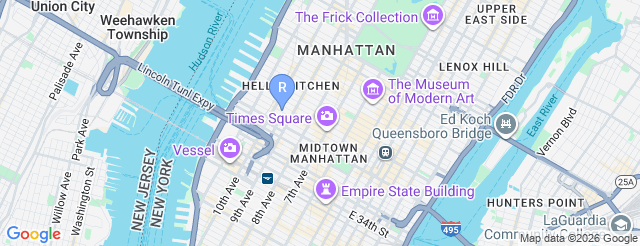
Located at 226 West 46th Street in the heart of Manhattan's Theater District, the Richard Rodgers Theatre is a cornerstone of New York City's vibrant performing arts scene. Opened in 1925, this historic venue has undergone several transformations, originally known as the 46th Street Theatre before being renamed in honor of the legendary composer Richard Rodgers in 1979. The theatre has hosted a variety of acclaimed productions, including the groundbreaking musical "Hamilton," which has solidified its reputation as a must-visit destination for theater enthusiasts.
The Richard Rodgers Theatre features a seating capacity of approximately 1,319, with a well-designed layout that ensures excellent sightlines from every seat. The seating arrangement includes orchestra, mezzanine, and balcony levels, providing options for every budget. For those seeking the best experience, seats in the center orchestra section are highly recommended for their proximity to the stage and immersive viewing angles.
As a year-round venue, the Richard Rodgers Theatre hosts a diverse array of events ranging from Broadway musicals to special performances and concerts. The theatre's programming often reflects seasonal trends, with holiday-themed shows and summer specials drawing large crowds. Visitors can expect an unforgettable experience filled with world-class talent and captivating storytelling.
Parking in the vicinity can be challenging due to the bustling nature of Times Square. However, several parking garages are available within walking distance of the theatre. It is advisable to reserve parking in advance through online platforms to secure a spot and avoid last-minute hassles. Additionally, public transportation is highly recommended; the theatre is easily accessible via subway lines 1, 2, 3, N, Q, R, and W.
Frequently Asked Questions
What are the best seats at Richard Rodgers Theatre?
The center orchestra seats are considered the best for viewing performances due to their proximity to the stage. Mezzanine seats also offer great sightlines and can be more affordable.
How do I get to Richard Rodgers Theatre using public transport?
The theatre is conveniently located near several subway stations. The closest stops are Times Square-42nd Street (1, 2, 3) and 47th-50th Streets-Rockefeller Center (N, Q, R). Buses also serve the area extensively.
Is there parking available near Richard Rodgers Theatre?
Yes, there are multiple parking garages nearby. It is advisable to book your parking spot online ahead of time to ensure availability and save on costs.
What types of events are held at Richard Rodgers Theatre?
The theatre primarily hosts broadway musicals but also features special concerts and limited engagements throughout the year.
What is the address of Richard Rodgers Theatre?
The address is 226 West 46th Street, New York, NY 10036.
Richard Rodgers Theatre Flash News
Overview of the Musical Hamilton
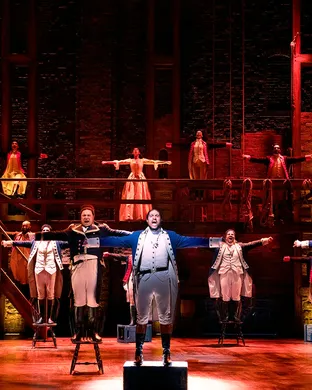
The acclaimed musical "Hamilton" continues to make waves in the theater world, celebrated for its innovative storytelling and dynamic stage design. Created by Lin-Manuel Miranda, this groundbreaking production explores the life of Alexander Hamilton, intertwining themes of race, politics, and identity in America. The set design, crafted by David Korins, plays a crucial role in bringing the narrative to life, showcasing a unique visual experience that enhances the performance.
With performances on Broadway and various international venues, including London's West End and upcoming tours, "Hamilton" remains a cultural phenomenon. Its relevance resonates with audiences, making it a must-see for theater enthusiasts. The musical has garnered numerous accolades and continues to attract attention for its artistic achievements and historical significance.
For those interested in experiencing this revolutionary work, tickets are available for various locations and dates. "Hamilton" is not just a show; it is a transformative experience that reflects the complexities of American history.
Media and Trailers